
 English
Views: 0 Author: Site Editor Publish Time: 2025-11-13 Origin: Site


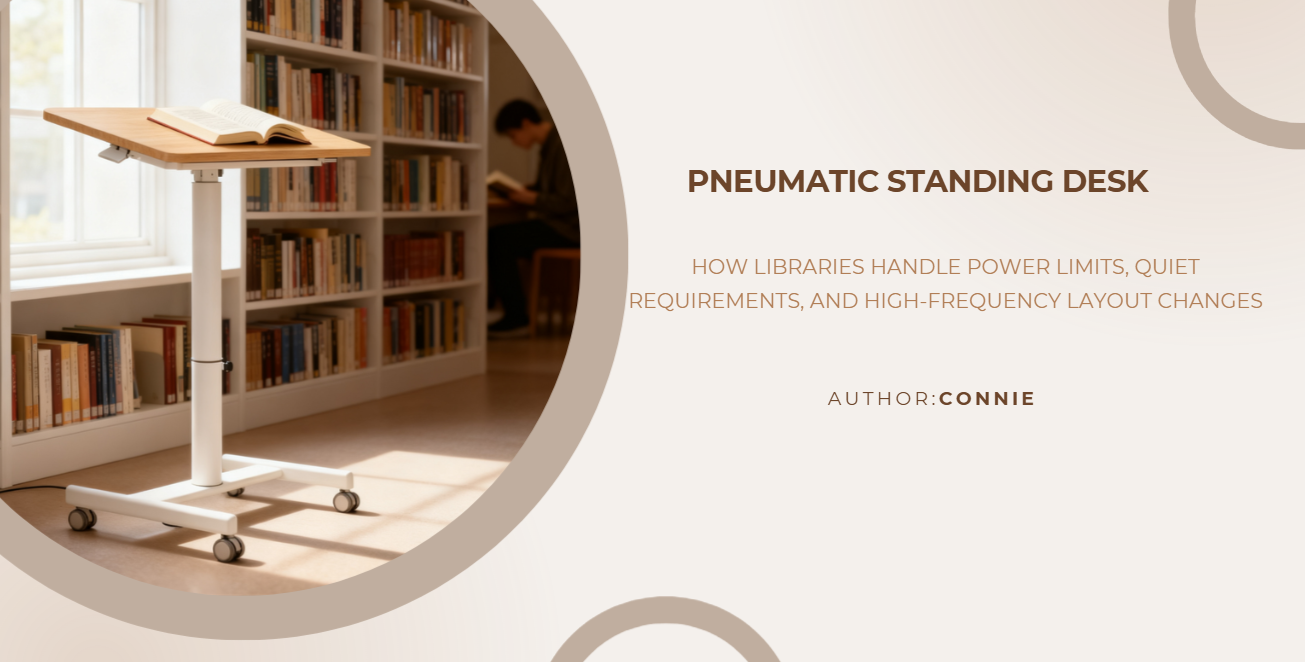
Library environments are designed to support reading, quiet study, digital access, and occasional group work. Although these spaces appear calm and organized to visitors, librarians and facility teams manage a complex set of operational constraints throughout the day. Power access is not evenly distributed, seating demand shifts with student schedules, and study groups frequently rearrange tables or pull chairs into shared zones. These adjustments happen repeatedly as visitors come and go.
In many libraries, desks and workstations must fit multiple user types: individual readers, students doing coursework, small project teams, and visitors who use the space for laptop work. This demand creates a constant flow of movement. Staff must keep pathways clear, maintain quiet conditions, and ensure the layout can adapt to events or workshops. A workstation in this environment is not simply a place to sit—it becomes part of a broader system that must balance public use with operational practicality.
Libraries continue to shift toward multi-purpose functions. Study carrels fill during exam season, open tables host small groups during peak hours, and community workshops introduce temporary seating needs. Because these shifts are frequent, librarians need furniture that does not depend on fixed electrical infrastructure or generate noise when moved or adjusted. These requirements form the foundation for layout decisions that affect daily operations.
Many library spaces cannot be planned around ideal electrical access. Outlets often run along walls or sit behind shelving units that cannot be moved. In older buildings, electrical upgrades may be limited by construction constraints. Even in newer buildings, outlets may not align with preferred desk placement or group-study configurations. The result is a layout shaped not by the learning needs of users, but by the availability of power.
Outlet scarcity shapes how height-adjustable workstations can be deployed. Electric desks must remain close to power sources, reducing layout flexibility. Cords running across floors create tripping concerns, especially in high-traffic study zones. This introduces additional supervision tasks for librarians, who must monitor cable placement and prevent hazards. During temporary events, cables also complicate setup and extend turnaround time.
A power-dependent desk creates two operational challenges: restricted placement options and cable management. When desks must sit near outlets, staff cannot reconfigure study rooms quickly. During peak periods, when students move tables to join group work, librarians must often rearrange the space afterward to comply with power access and safety rules. A workstation that functions without electricity allows for more neutral layouts and reduces the friction caused by limited power availability.
Libraries rely on quiet conditions to maintain an atmosphere suitable for reading, research, and focused study. Sound travels easily across open reading rooms, and even small repetitive noises accumulate throughout the day. Motorized height changes from electric desks can disrupt concentration, especially during high-traffic times when more users are adjusting their seating. Staff must often intervene when noise becomes a distraction.
Acoustic control is not only about user comfort—it is also operational. When visitors are interrupted, they may seek staff assistance or request seating changes, increasing workload. In large study halls, a single noisy adjustment can ripple through the space and interrupt dozens of users. This is why many libraries evaluate furniture based on acoustic impact as much as durability or design.
Shared reading areas require especially low-noise operation. In these settings, a desk that adjusts quietly prevents unnecessary interruptions. Quiet furniture behavior helps librarians maintain the environment without constant supervision. Over time, this reduces both direct disruptions and indirect requests for assistance caused by noise-related issues.
Many libraries now operate as dual-purpose spaces. In addition to regular study use, they host talks, workshops, training sessions, and community events. These activities require temporary reconfiguration of furniture, sometimes multiple times per week. Heavy desks or cable-dependent furniture slow down transitions and require more staff participation or longer setup time.
Workshop rooms face similar challenges. Tables may need to be arranged in clusters for group work, then returned to lecture format for a presentation, and then reorganized for a small training session afterward. Each transition increases staff workload and narrows available preparation time. Lightweight desks that can be moved without unplugging equipment or managing cables simplify these workflows.
For librarians and facility managers, power independence and silent operation reduce several types of daily friction. They eliminate the need to design seating around outlets, reduce tripping hazards from cables, and lower the supervision required to maintain quiet conditions. In study zones that serve hundreds of students each day, these advantages translate into smoother operations.
Staff also benefit from lower maintenance requirements. Fewer electrical components mean fewer points of failure. Desks that can be placed anywhere allow teams to accommodate seasonal study patterns, testing periods, and special events without major layout changes. This flexibility reduces workload while supporting a wider range of uses.
Libraries can strengthen their space planning by identifying predictable constraint patterns: limited outlets, recurring noise issues, and slow transitions between layouts. By reviewing actual daily behavior—such as where students cluster, where power shortages occur, or where noise complaints arise—staff can evaluate whether more flexible workstations could reduce operational strain.
Public libraries and university study areas with dynamic visitor traffic especially benefit from rethinking their layout strategy. When furniture supports quiet operation, free placement, and fast reconfiguration, the space can adapt to more activities with less effort from staff. Over time, these adjustments improve both visitor experience and daily workflow.


